Report on the 18th German International Ethnographic Film Festival
May 13th - May 17th, 2026

Founded in 2007, GIEFF is organised by the GIEFF e.V. and has established itself as an international meeting place for filmmakers, researchers, students and audiences interested in documentary and ethnographic film. It takes place in the heart of Göttingen.
The festival is a founding member of CAFFE - Coordinating Anthropological Film Festivals in Europe. The festival is committed to creating a space where film, anthropology, cultural studies and public debate intersect.
The 2026 festival programme was curated by an iinternational selection committee consisting of both experienced and new members. More than 360 films and multimedia productions were submitted. A total of 64 films were selected: 20 films for the Student Competition, 30 films for the main festival programme and 14 additional films presented exclusively online.
The festival programme brought together a wide range of artistic approaches and perspectives from around the world. Alongside the screenings, discussions with filmmakers, thematic programmes, workshops and special events provided opportunities for deeper engagement with the films and the issues they addressed.
The festival opened with the Student Competition, featuring 20 films by emerging filmmakers from different countries and cultural backgrounds. The competition provides a dedicated platform for young filmmakers and supports innovative approaches to ethnographic and documentary filmmaking.
Two awards were presented: the GIEFF Student Award and the Manfred Krüger Student Award. The awards were decided by two independent international juries.
In addition to the presentation of new productions, the festival focused on various main topics: "More Than Human", "Doing Memory", "Un/certain Relationships", "Care and Aging, "Path of Resilience", "Elemental Relations", "Collective Actions", "Queering Lives", "Loss and Be/Longing", and "What Returns".
The subject of Decolonial Approaches in Visual Anthropology was addressed in several films, and there was a special roundtable Saturday afternoon.
Additionally, there were several special events:
14.5.-16.5. Installation - Legacy of Silences
14.5. Presentation of an Interactive Documentary
14.5. City Tour of Postcolonial Göttingen
15.5. Origins of Visual Anthropology - Putting the Past Together
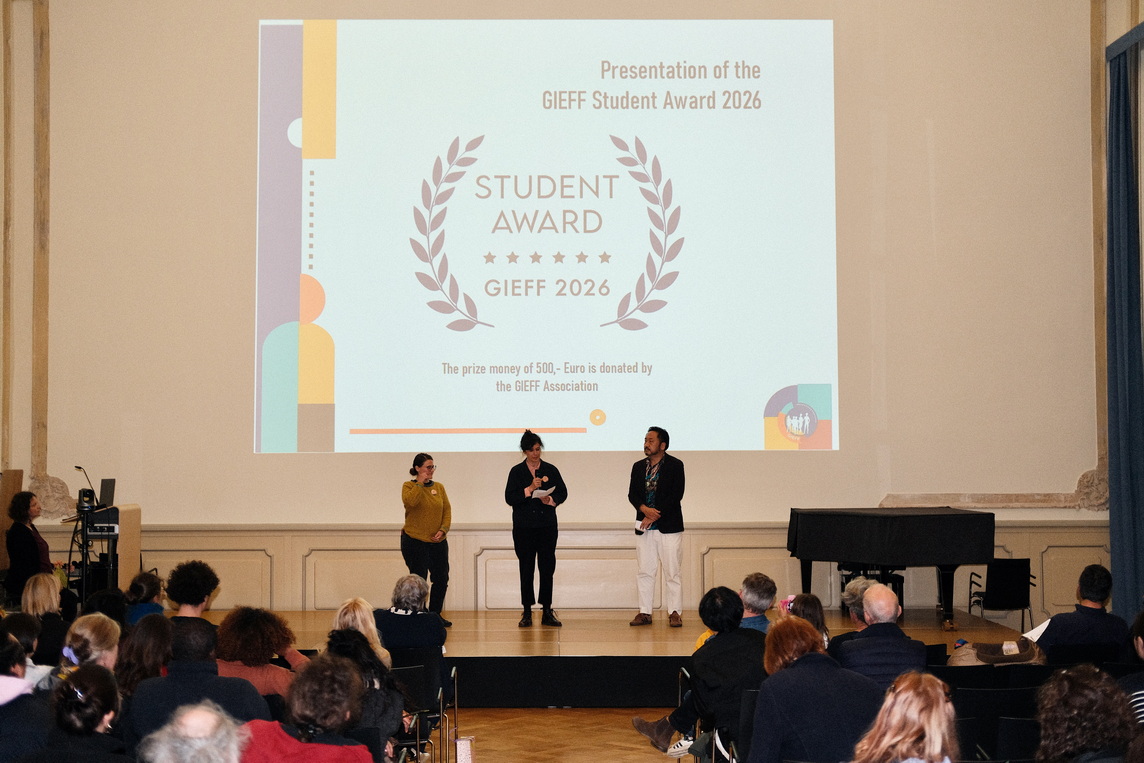
GIEFF Student Award 2026 Ceremony
The Award Ceremony took place at the Alte Mensa.
Thanks to all
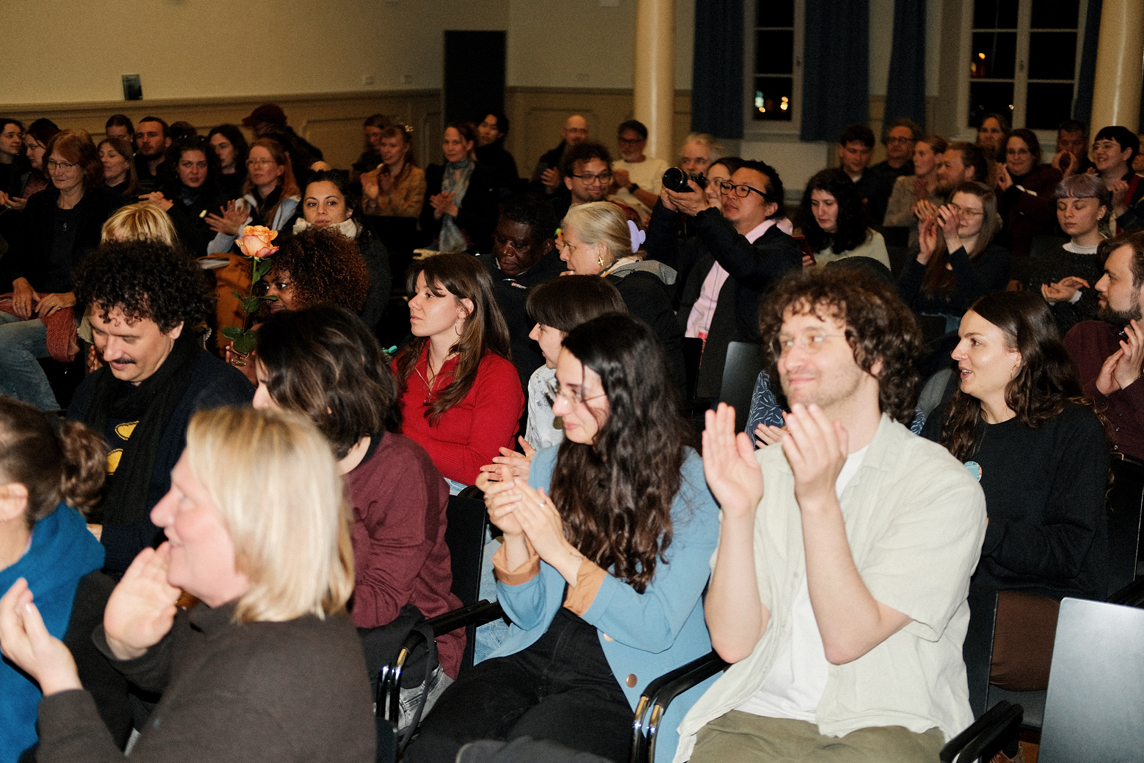
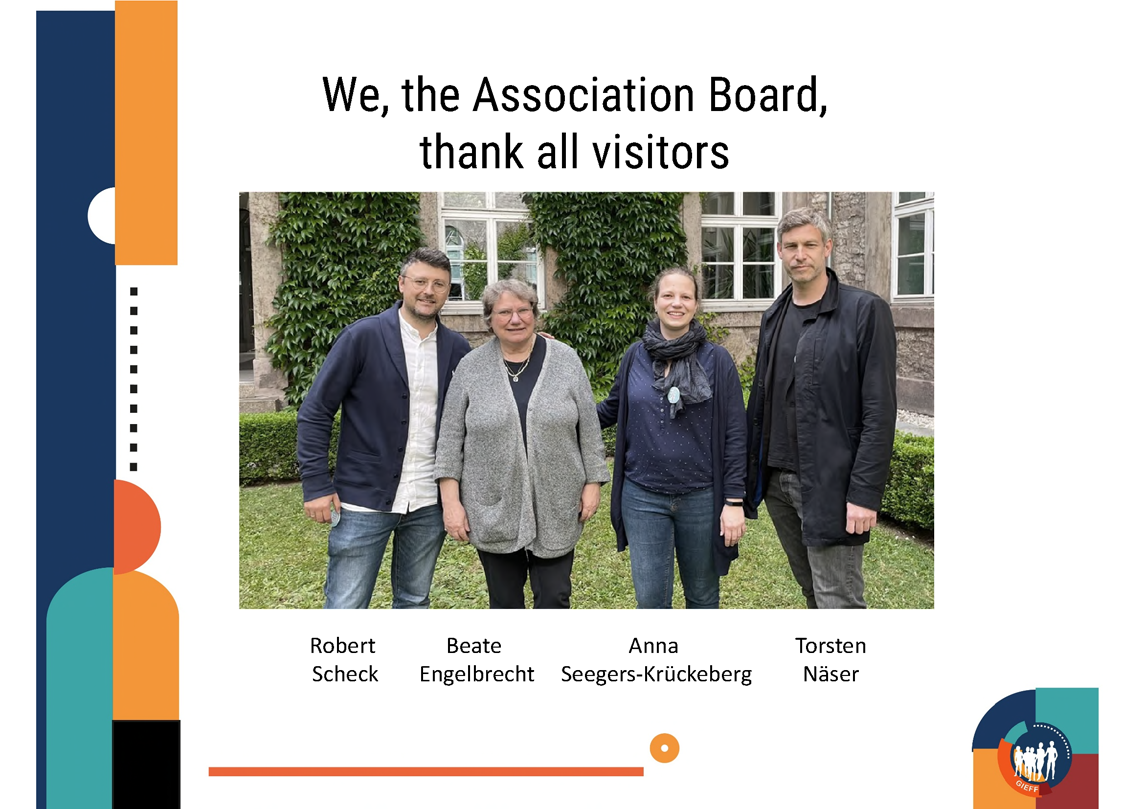
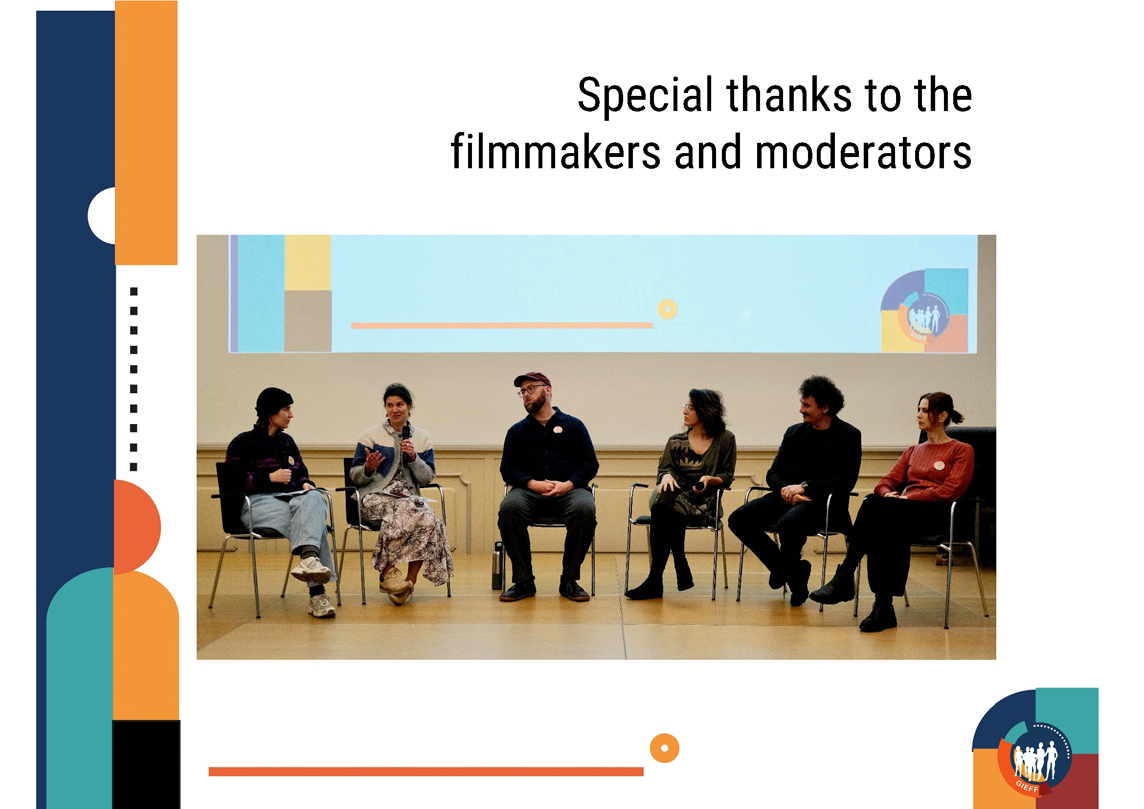
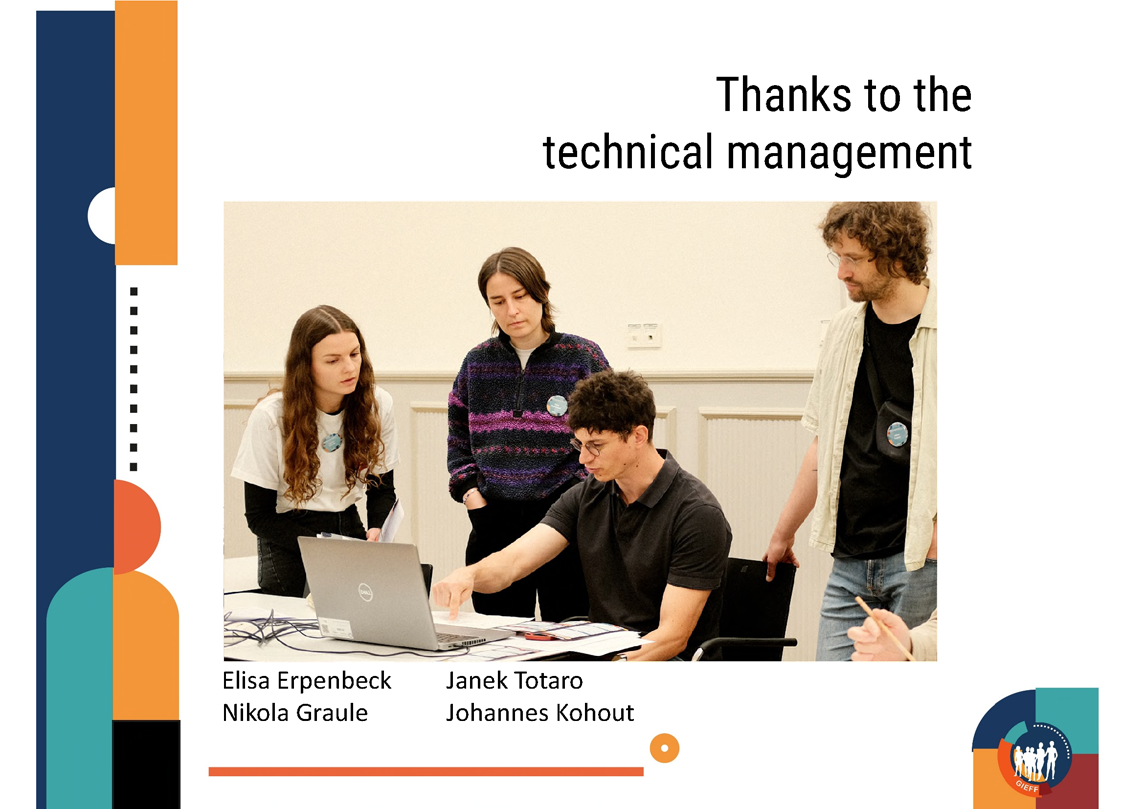
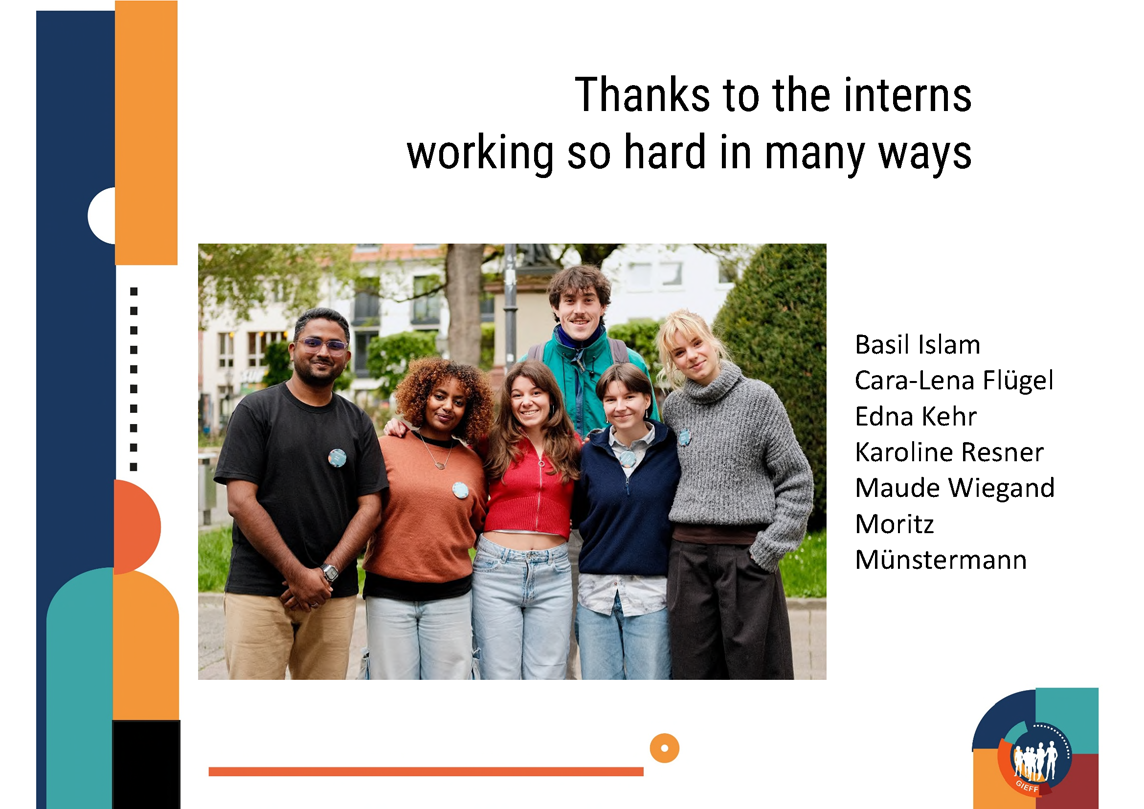
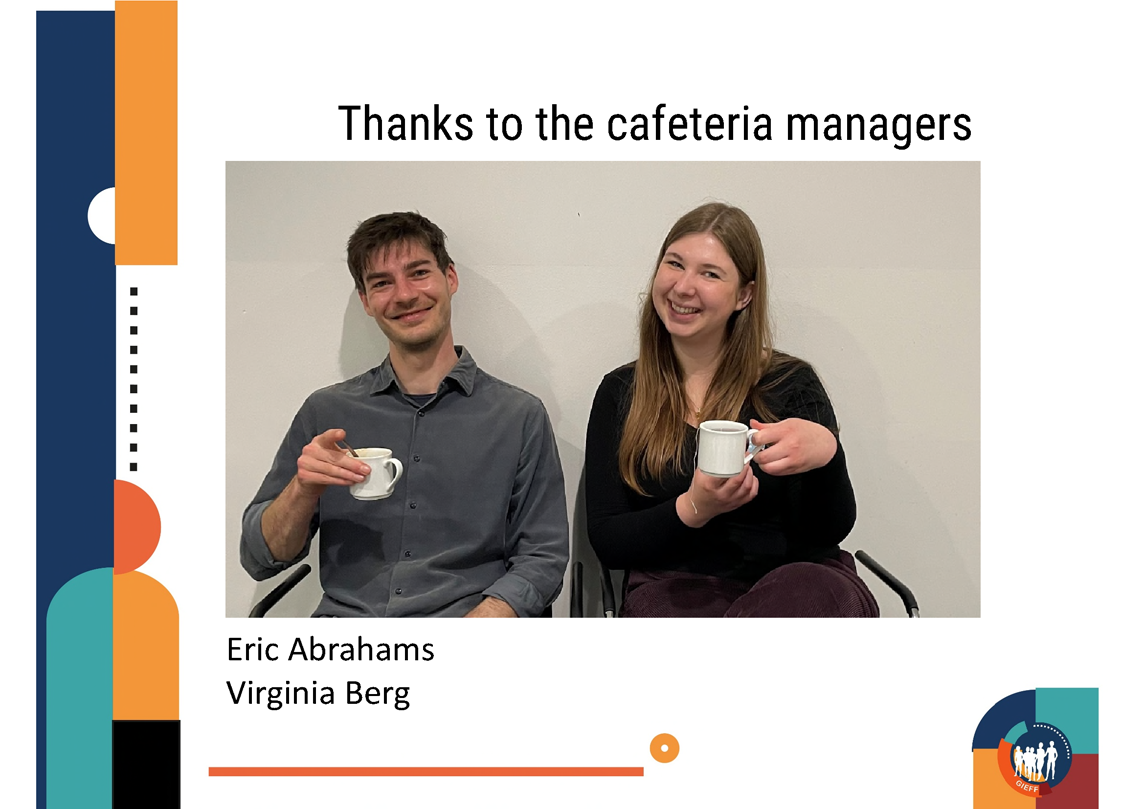
Robert Scheck opened the ceremony by thanking the visitors, filmmakers, moderators, technical team and interns.
Everyone was dedicated to making GIEFF 2026 another enriching experience for all participants.
Presentation of the Student Awards
Most of the jury members and filmmakers receiving awards or honourable mentions were present in Göttingen.
For more information about the films, you can find here.
The decisions regarding the Student Awards were made by two international juries:
GIEFF Student Award Jury 2026
Itsushi Kawase (Japan)
Anna Ramella (Germany)
Caterina Sartori (Italy, United Kingdom)
Manfred Krüger Student Award Jury 2026
Sandra Eckardt (Germany)
Michael Schönhuth (Germany)
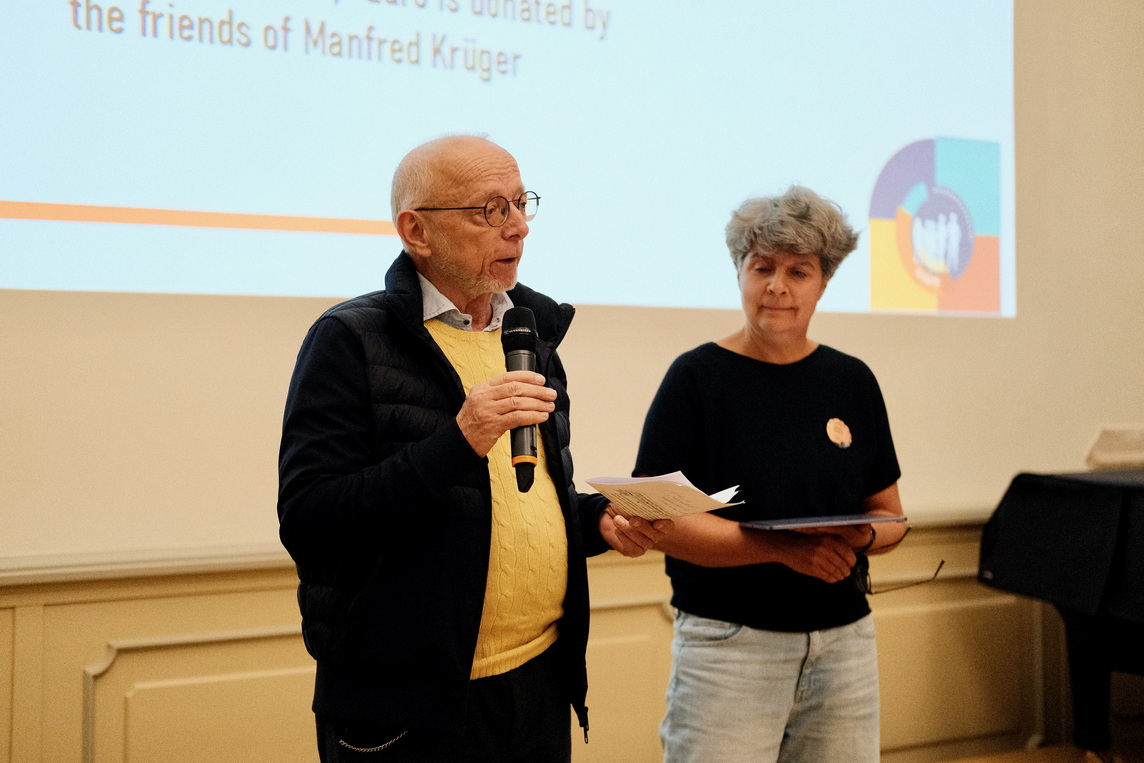
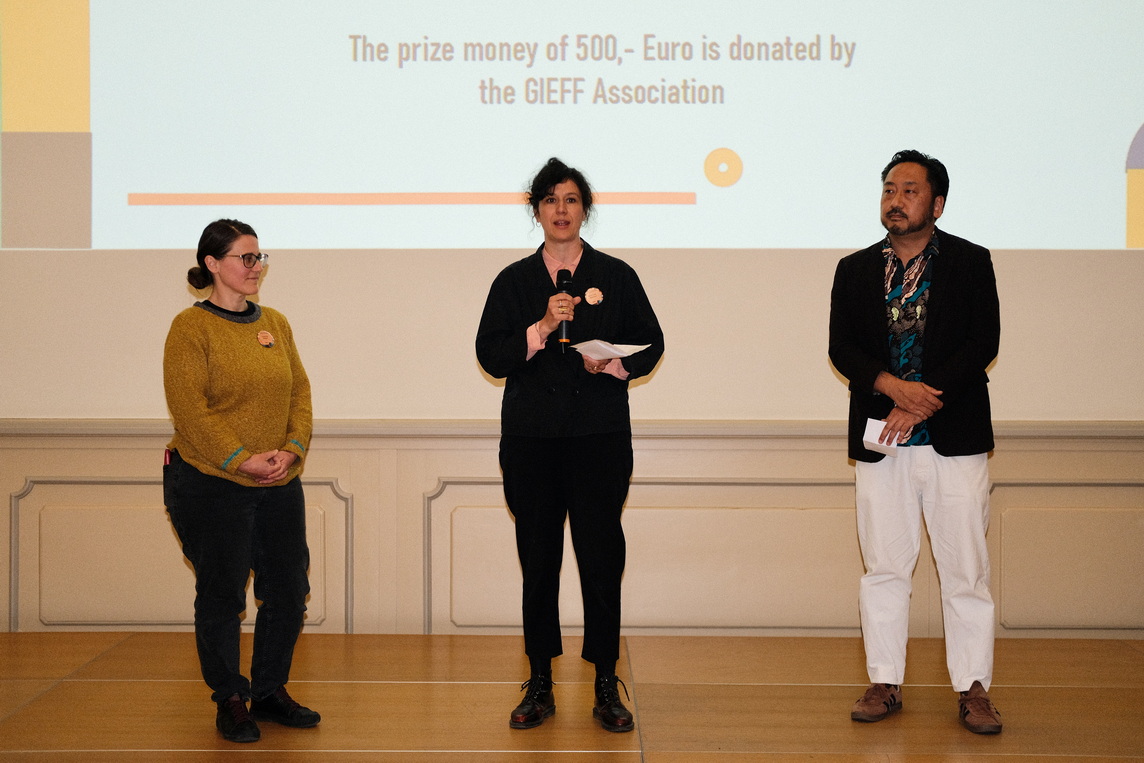
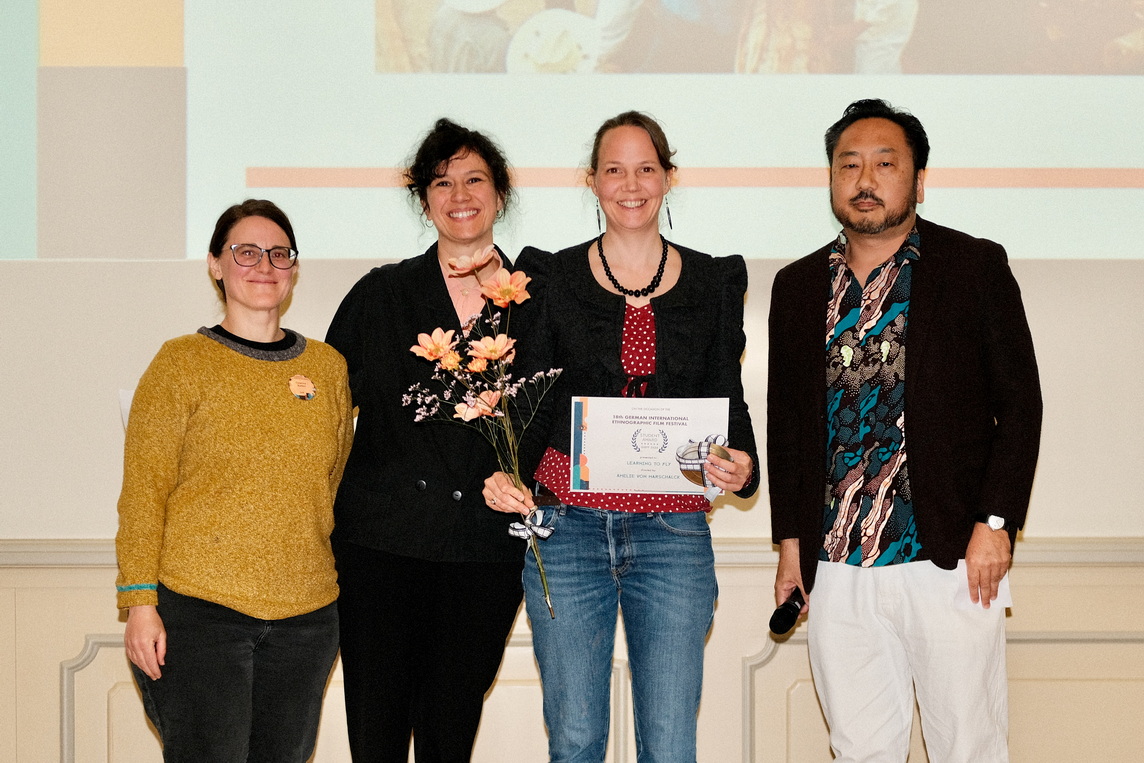
The GIEFF Student Award was presented to Amelie von Marschalck, who attended the festival in Göttingen.
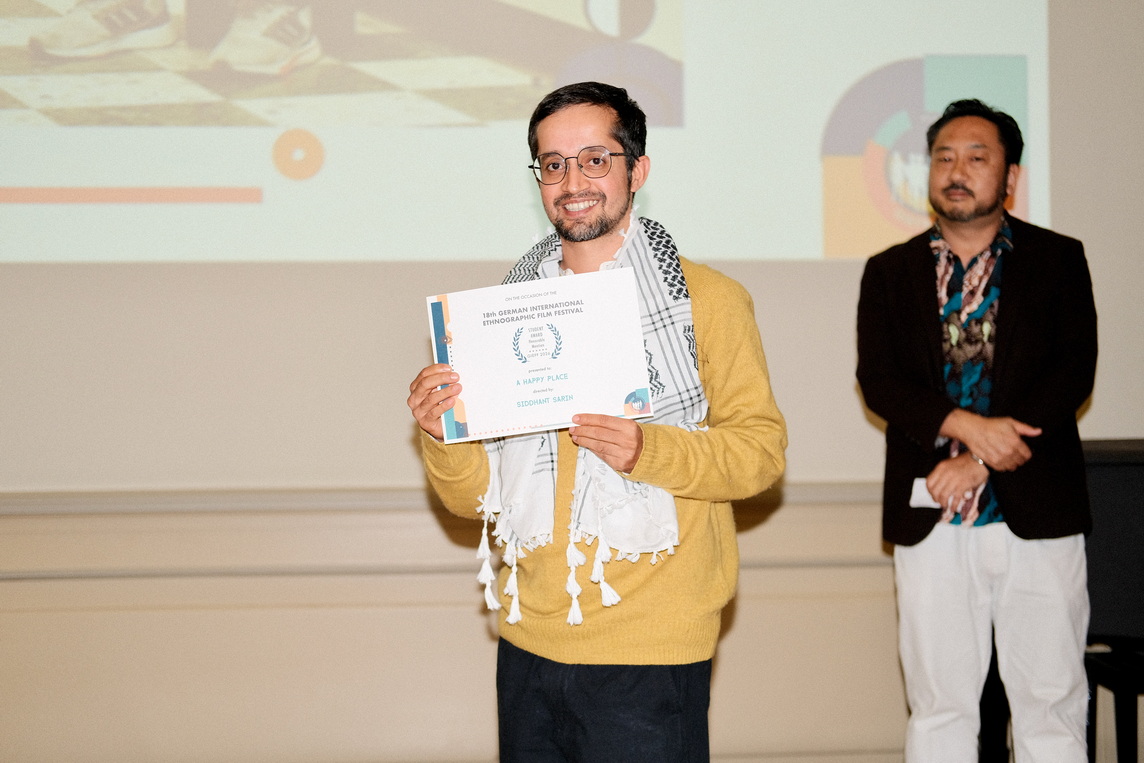
An Honourable Mention was awarded to Siddhant Sarin, who was also present at the festival.
The second Honourable Mention went to Ke Chen, who was unable to attend in person.
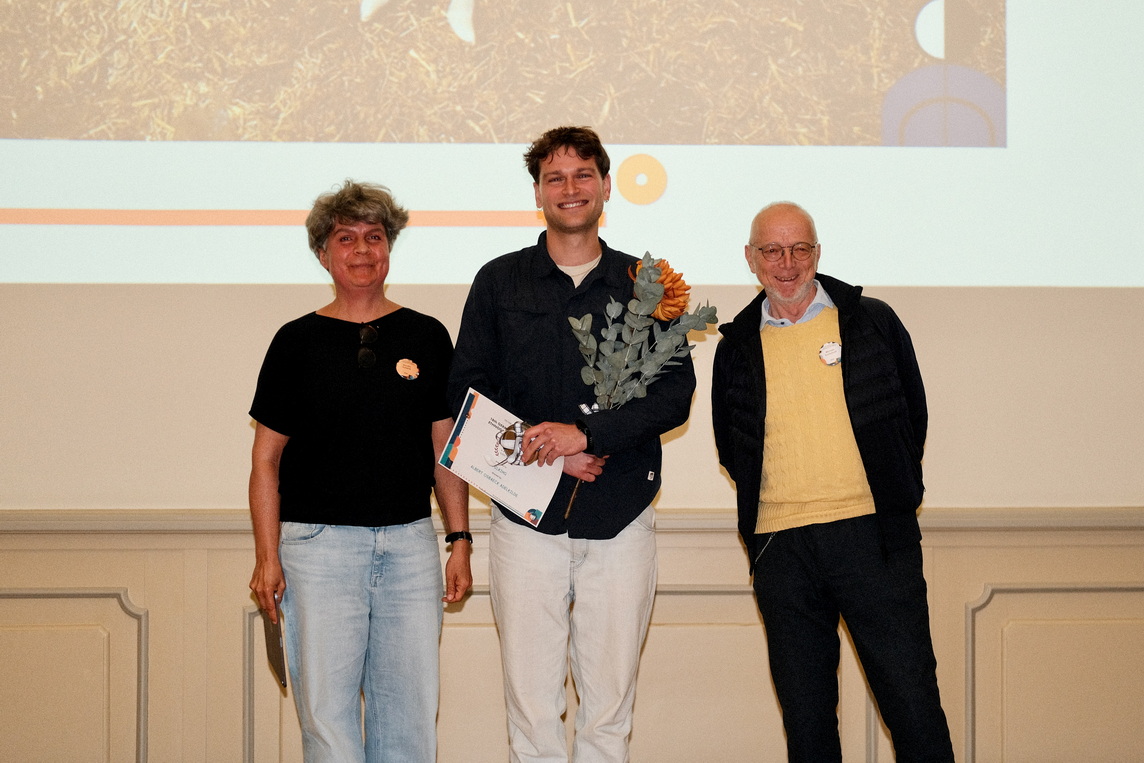
The Manfred Krüger Student Award was presented to Albert Osbæck Adelkilde, who attended the festival and the award ceremony in person.
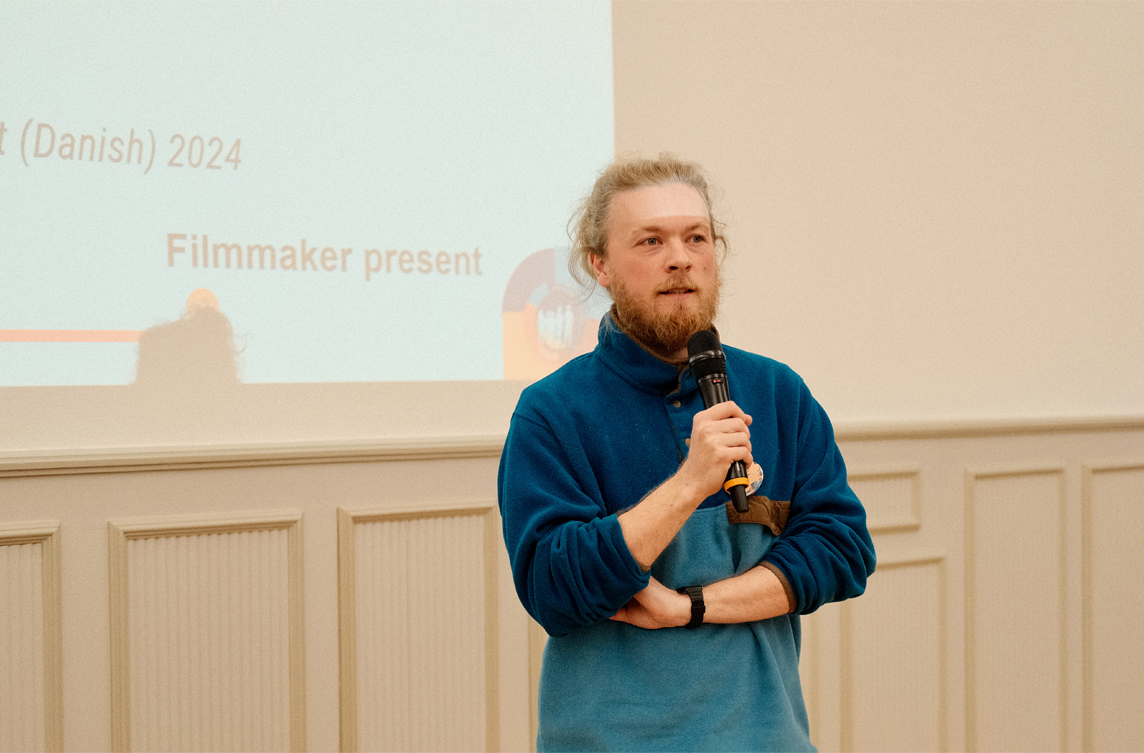
An Honourable Mention was awarded to Emil Victor Hvidtfeldt, who was also present at the festival and the award ceremony, while Monirsadat Jazaeri, recipient of the second Honourable Mention, was unable to travel to Göttingen.
Films from Around the World
The 64 selected films represented 36 countries and were made by filmmakers of 38 nationalities. The international composition of the programme was also reflected in the festival audience, with more than 200 registered visitors attending in Göttingen.
Filmmakers played an active role throughout the festival. More than half of the filmmakers were present in Göttingen for the duration of the festival. They participated in Q&A sessions following screenings and continued discussions with audiences, students and other festival participants throughout the week.
Filmmakers who were unable to travel to Göttingen were, in most cases, connected online. This allowed them to participate directly in discussions and to engage with audiences despite being geographically distant.
Registered visitors came from a wide range of countries, including Austria, Belgium, Brazil, the Democratic Republic of the Congo, Denmark, France, Germany, India, Italy, Japan, Mexico, Nepal, New Zealand, Norway, Spain, Switzerland, the Netherlands, the United Kingdom and the United States.
Students and University Excursions
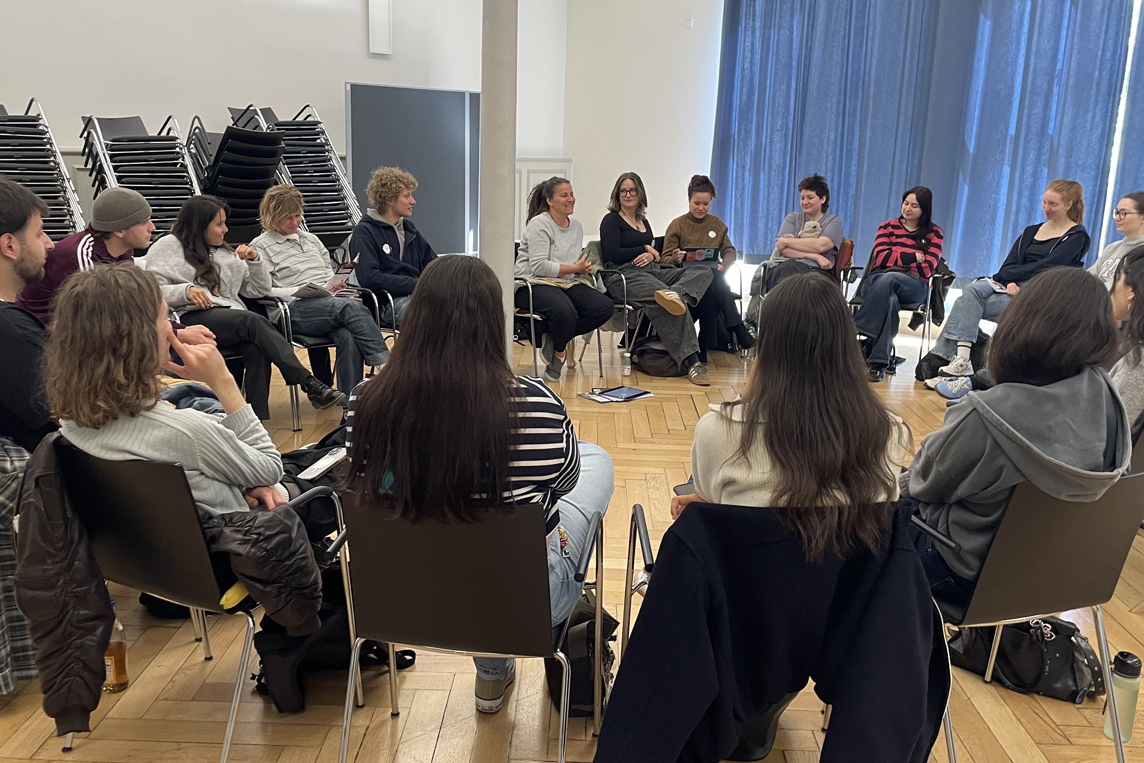
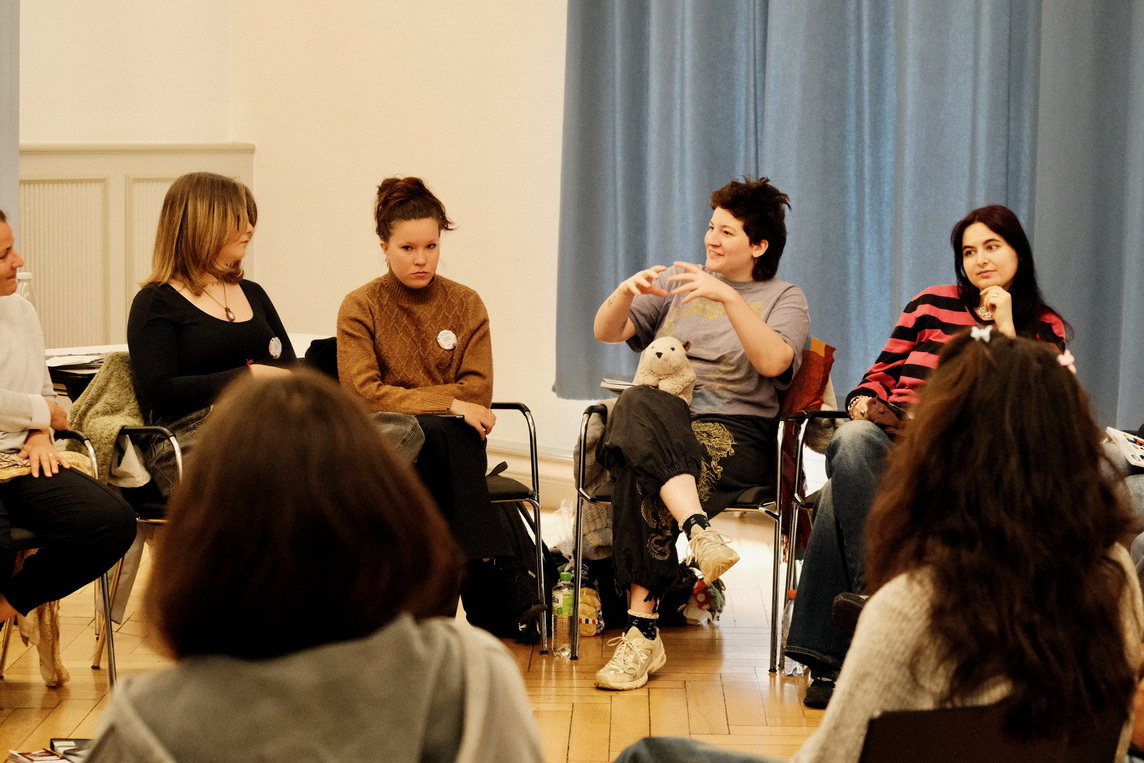
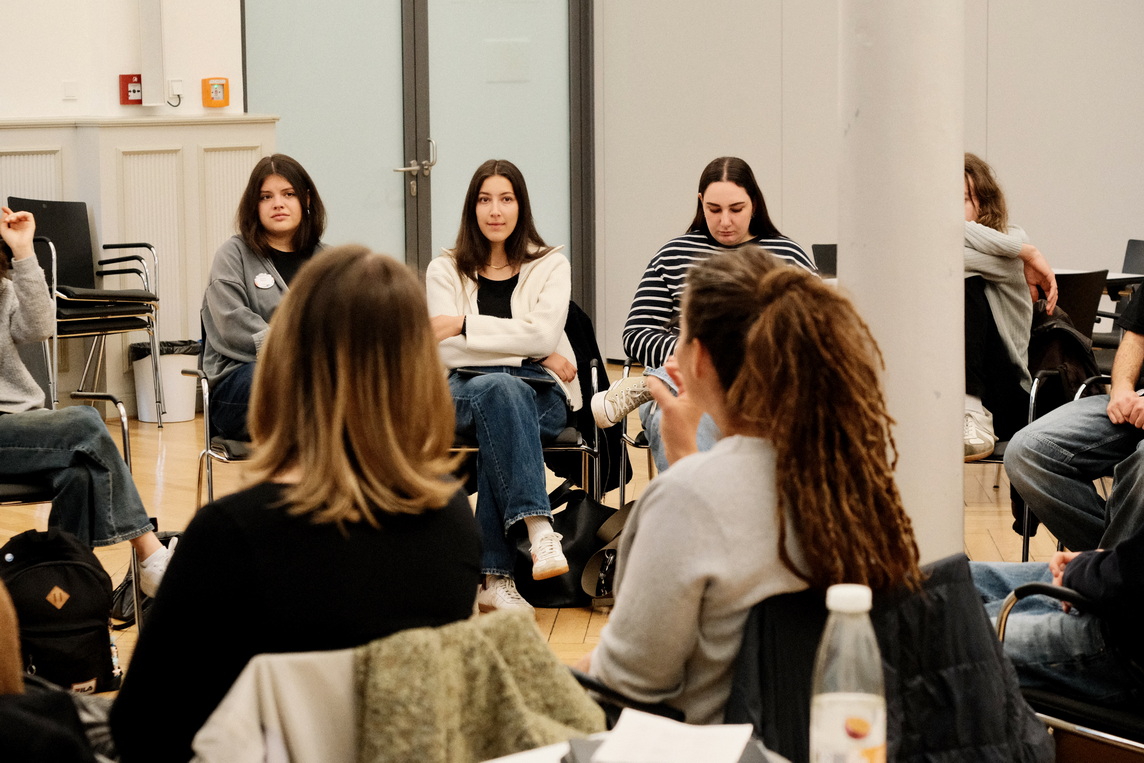
Students from seven German universities attended the festival as part of organised excursions. They watched films from the programme, discussed them with their lecturers and engaged directly with filmmakers who were present in Göttingen.
The participation of students added an important educational dimension to the festival. The screenings became starting points for discussions about visual representation, cultural diversity, social change and the role of documentary film in understanding social and cultural realities.
Festival Themes 2026
GIEFF 2026 provided a platform for multiperspective storytelling, presenting films that engage sensitively and critically with complex and often contradictory realities of life while addressing questions of social justice, cultural diversity and global interconnectedness.
Religion, Spirituality and Community
This theme explored diverse forms of religious and spiritual practice, from everyday rituals to collective forms of meaning-making. The films examined questions of identity, belonging and community, showing how faith and spirituality shape everyday life and can provide both social cohesion and spaces of conflict and negotiation.
Gendered Lives and Perspectives
The festival highlighted diverse gendered experiences, with particular attention to women, LGBTQIAP+ people and other marginalised groups. The films explored gender roles, bodily autonomy, family structures, social inequalities and strategies of self-determination in different cultural, political and social contexts.
Migration and Cultural Heritage
This theme examined migration through personal and collective experiences of displacement, arrival, belonging and resilience. Particular attention was given to the role of cultural heritage in migration processes: how traditions, languages, rituals and memories are preserved, transformed and passed on across generations. The films showed how migrant communities negotiate identity and belonging while contributing to cultural diversity and social change.
Climate Change, Crises and Culture
The festival explored how climate change, natural disasters and other global and personal crises affect people's lives and cultural practices. Documentary films offered perspectives on ecological and social transformation while also serving as forms of cultural reflection and memory.
The recent disaster in the Lötschental in Switzerland, where a village was buried by a debris flow, provided a particularly powerful example of how environmental crises can affect not only local ecosystems and economies, but also cultural identity, collective memory and community life.
Decolonial Perspectives in Ethnographic Film
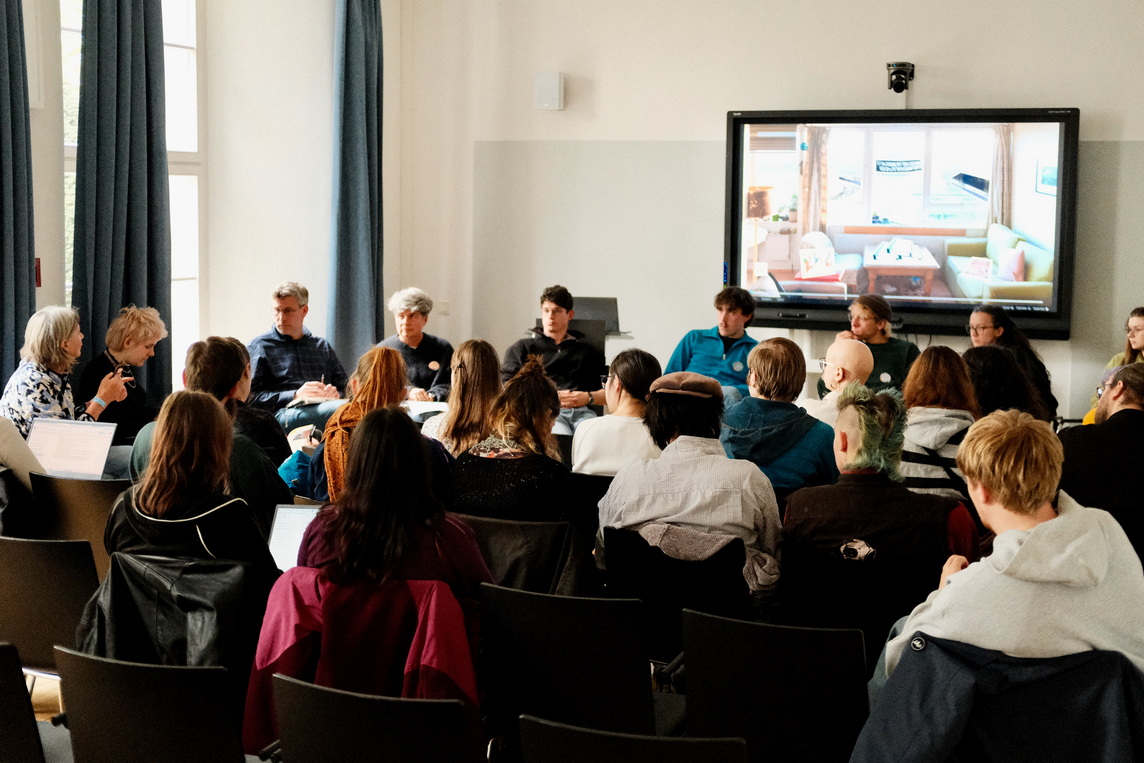
Decolonial perspectives were a cross-cutting theme of the 2026 festival and were explored both through the film programme and a dedicated workshop.
The workshop brought together filmmakers, artists, researchers and curators from different regions and disciplinary backgrounds to critically examine established ways of representing people, cultures and cultural heritage.
A central question was how films, images, museums and exhibitions can tell stories without reproducing colonial power relations. Discussions addressed cultural heritage, the role of museums and archives, visual representation and more equitable forms of collaboration.
Through screenings, visual interventions and discussions, the workshop explored approaches based on reciprocity, responsibility and shared authorship.
Special Events
Legacy of Silences
Pop-up installation by Janine Prins
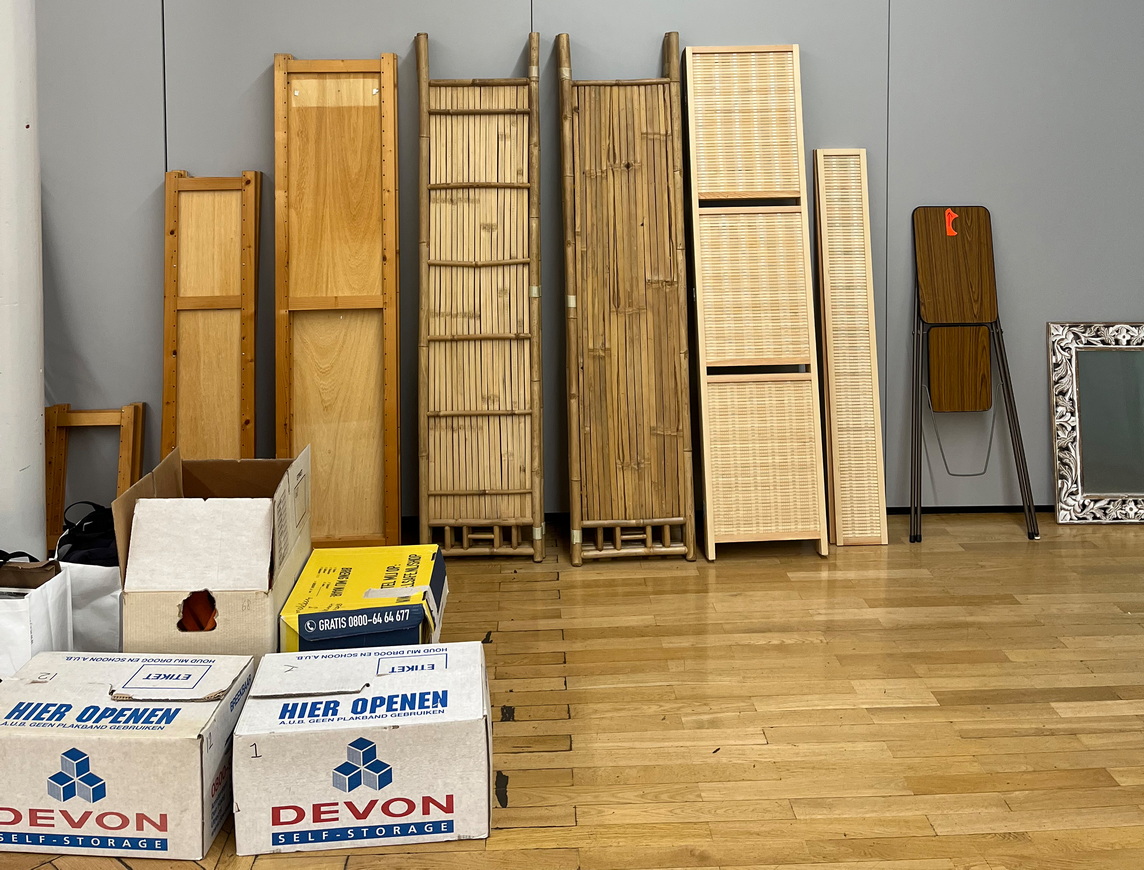
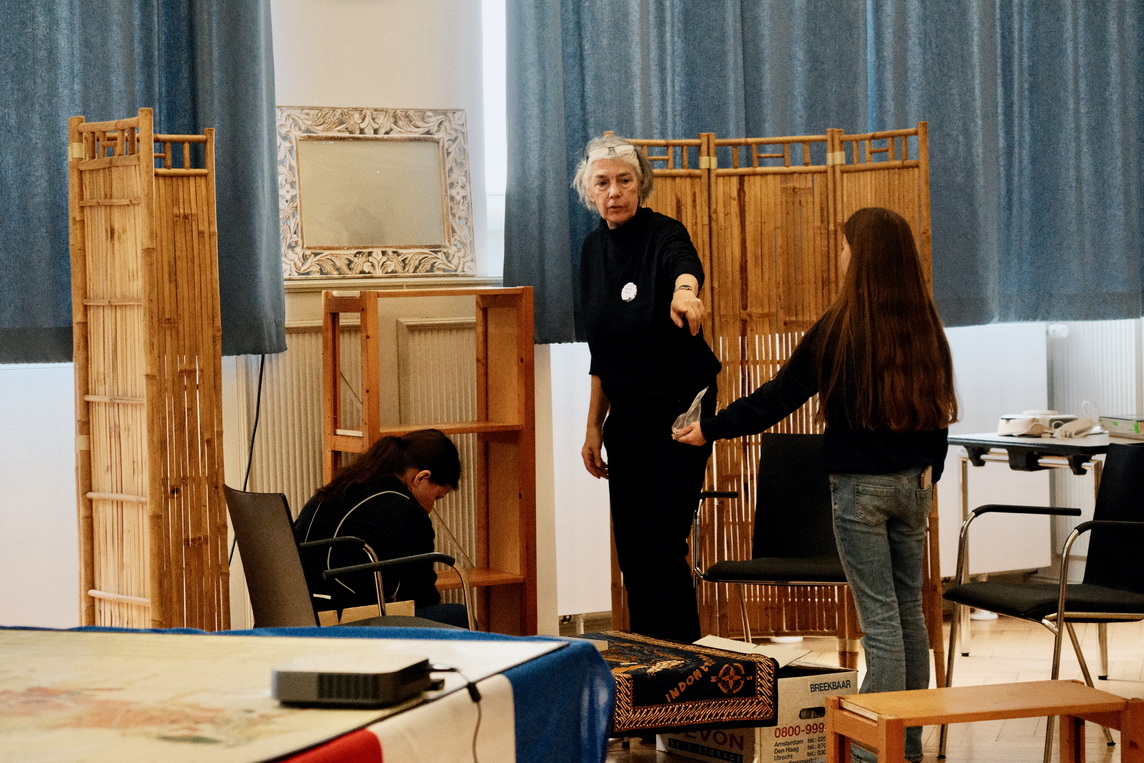
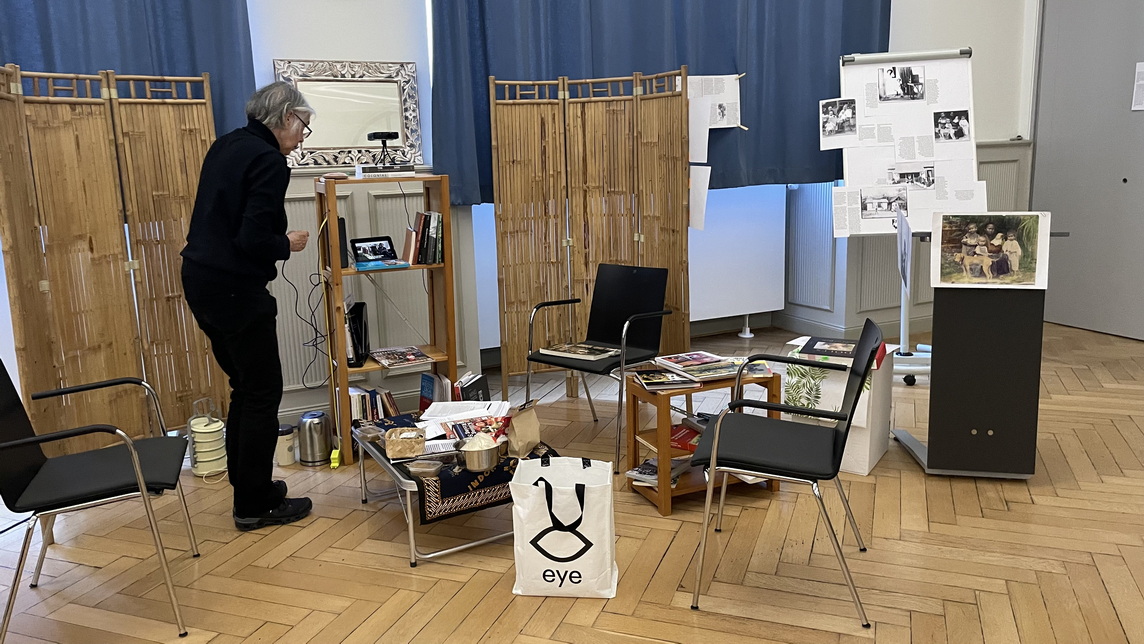
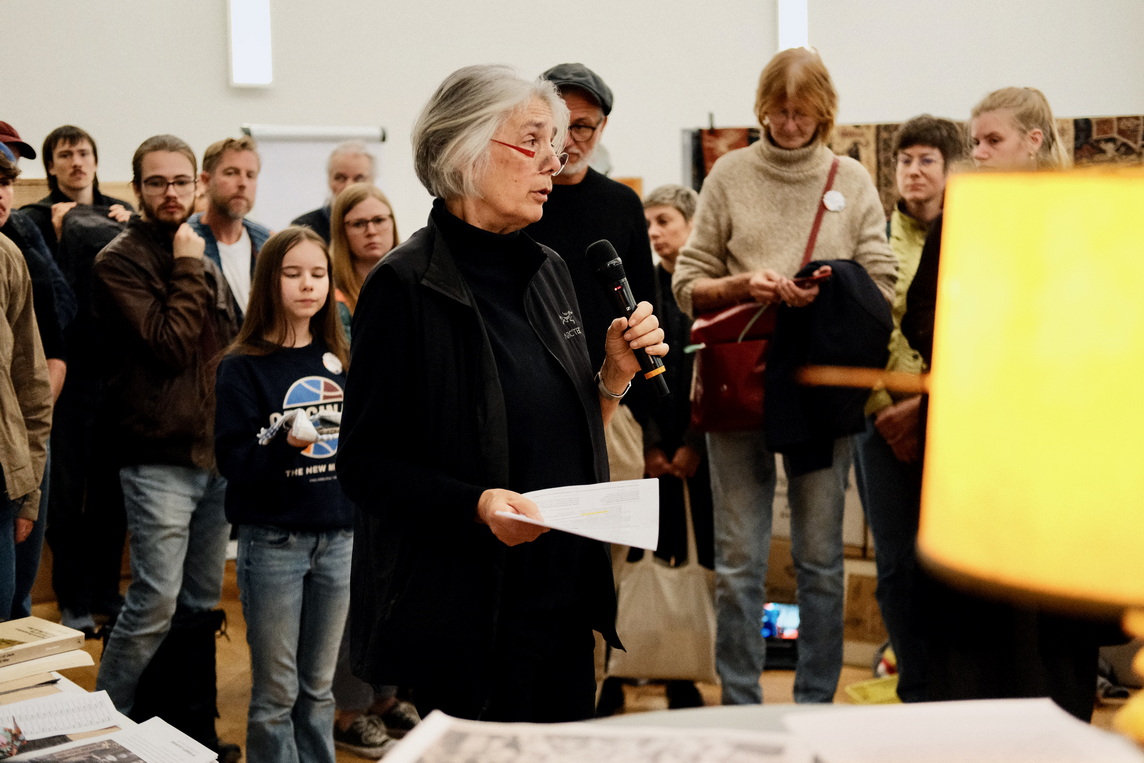
Presented from 14 to 16 May, Legacy of Silences was a pop-up installation that explored questions of memory, absence and representation through a decolonial approach to both form and content.
Here are a few photos of the installation, as well as the set-up and dismantling.


Living Room
Presentation by Caterina Sartori
Website: Living Room: An Interactive Documentary
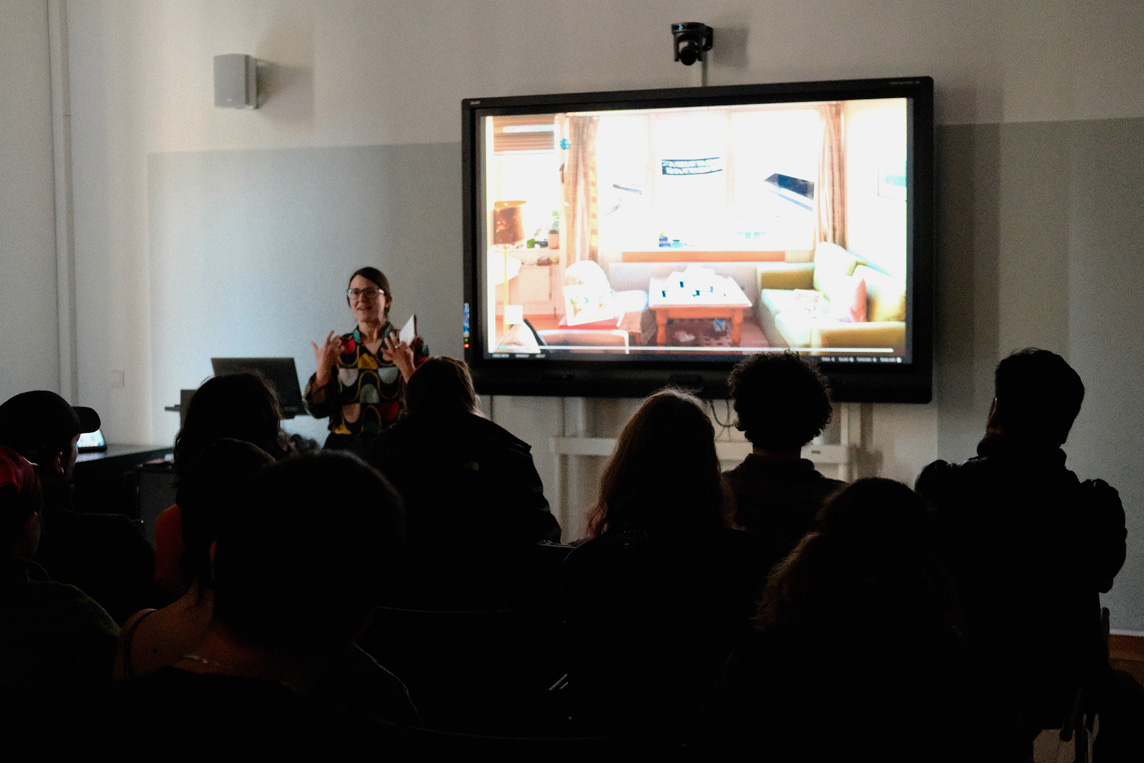
The festival presented Living Room, an interactive documentary project by Caterina Sartori. The presentation offered an insight into new forms of documentary storytelling and the possibilities of interactive media to engage audiences in different ways.

Origins of Visual Anthropology - Putting the Past Together
Memories of an Unforgettable Event by Beate Engelbrecht
In 2001, the conference Origins of Visual Anthropology – Putting the Past Together took place in Göttingen. The conference brought together leading visual anthropologists and ethnographic filmmakers to explore the development of visual anthropology from the 1950s to the 1970s.
While many of the conference papers were subsequently published in a book and a journal, the discussions and interactions between participants also generated important insights into the history of the field.
In 2026, the full-length recordings of the conference were made available online. The event at GIEFF offered an opportunity to revisit this important moment in the history of visual anthropology and to reflect on how the field has developed since then.
The audio-visual material is available online on the following website: Origins of visual anthropology - Putting the past together
To view all audio-visual documents, one must register here: https://av.tib.eu/registration
The book is available online here: Memories of the Origins of Ethnographic Film
Decolonial Approaches in Visual Anthropology
Repatriation and Cultural Heritage in Documentary Film
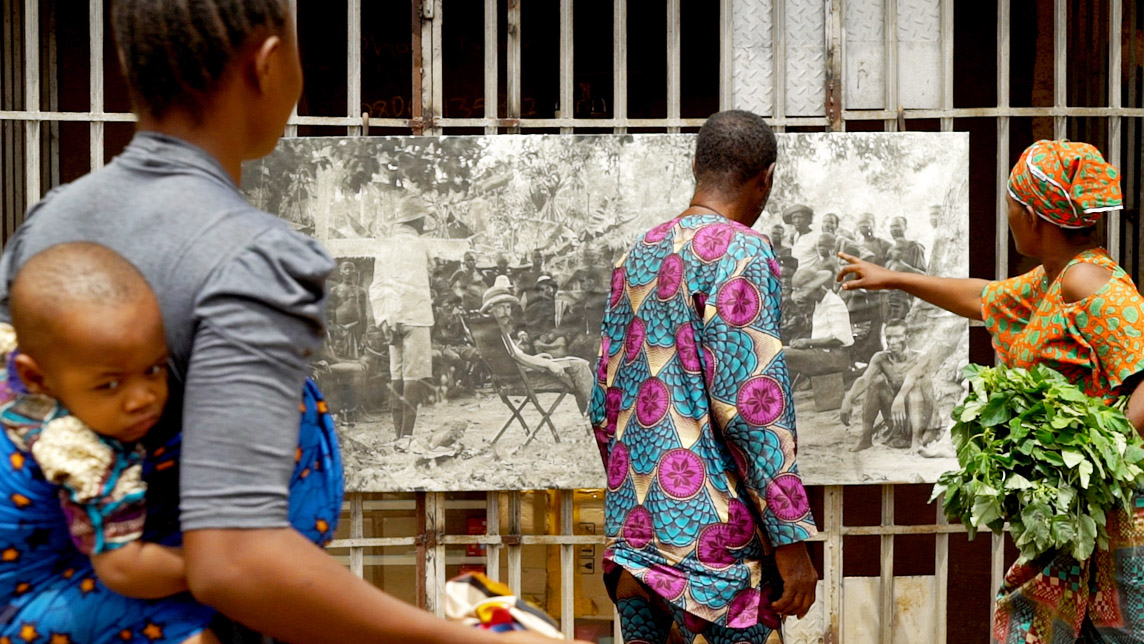
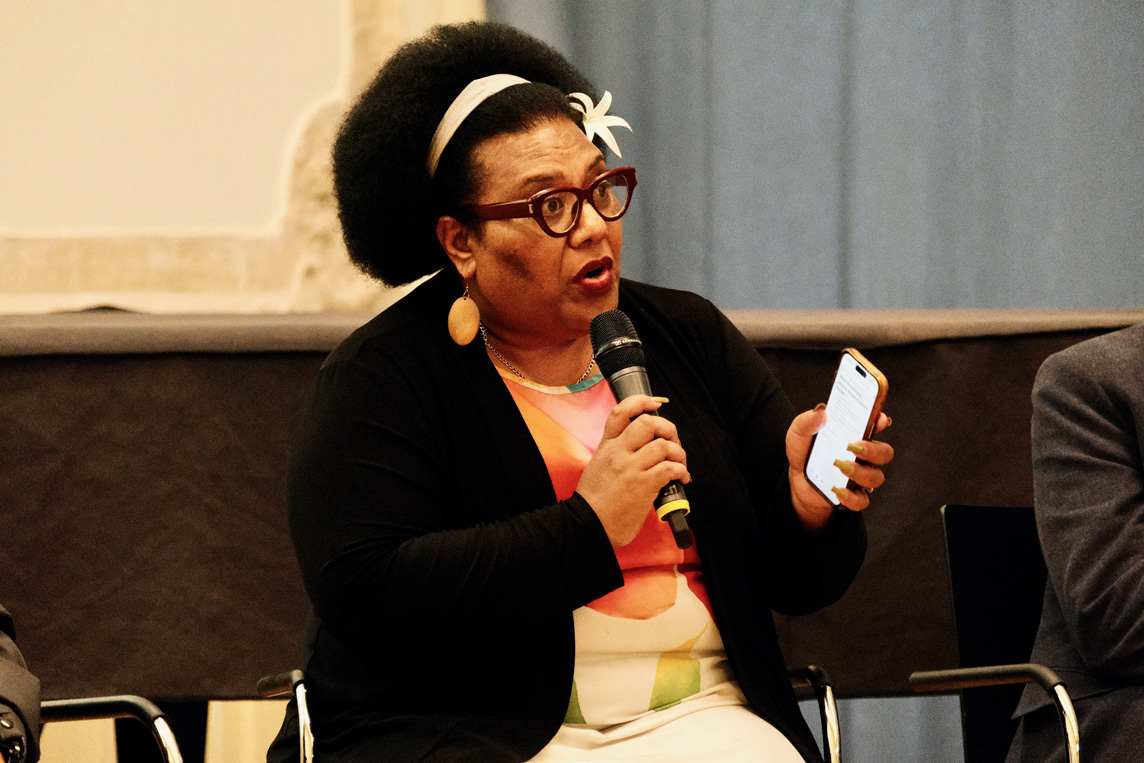
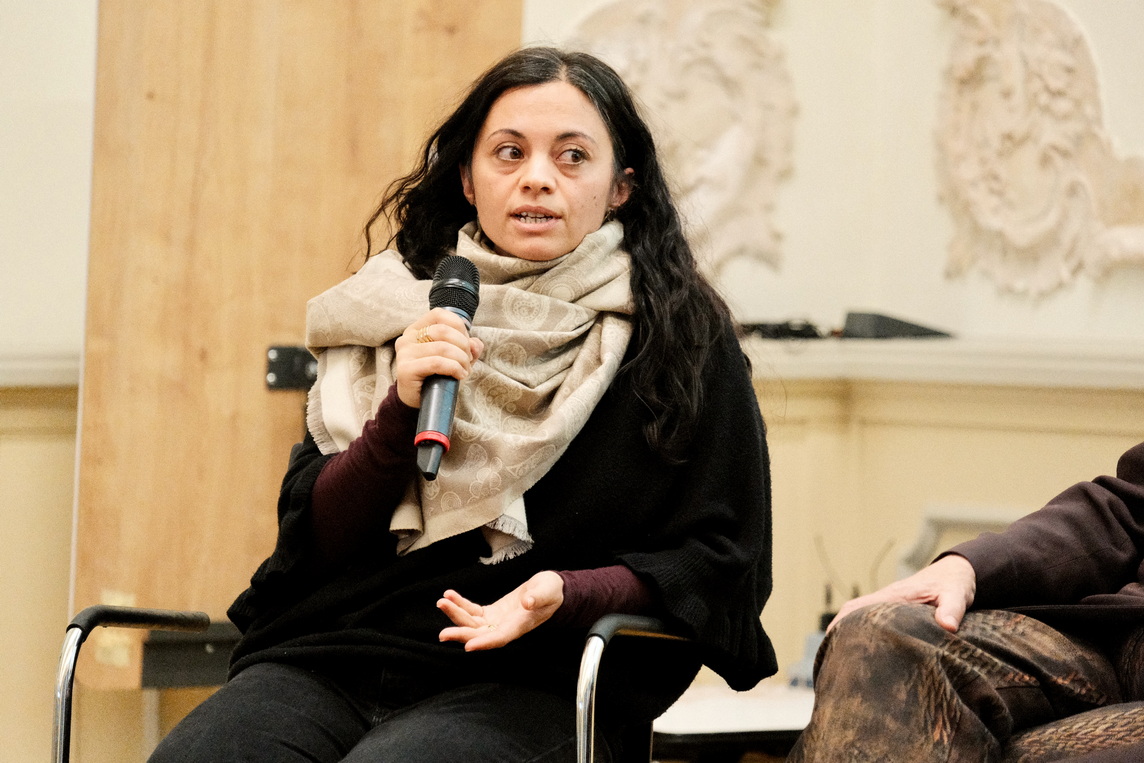
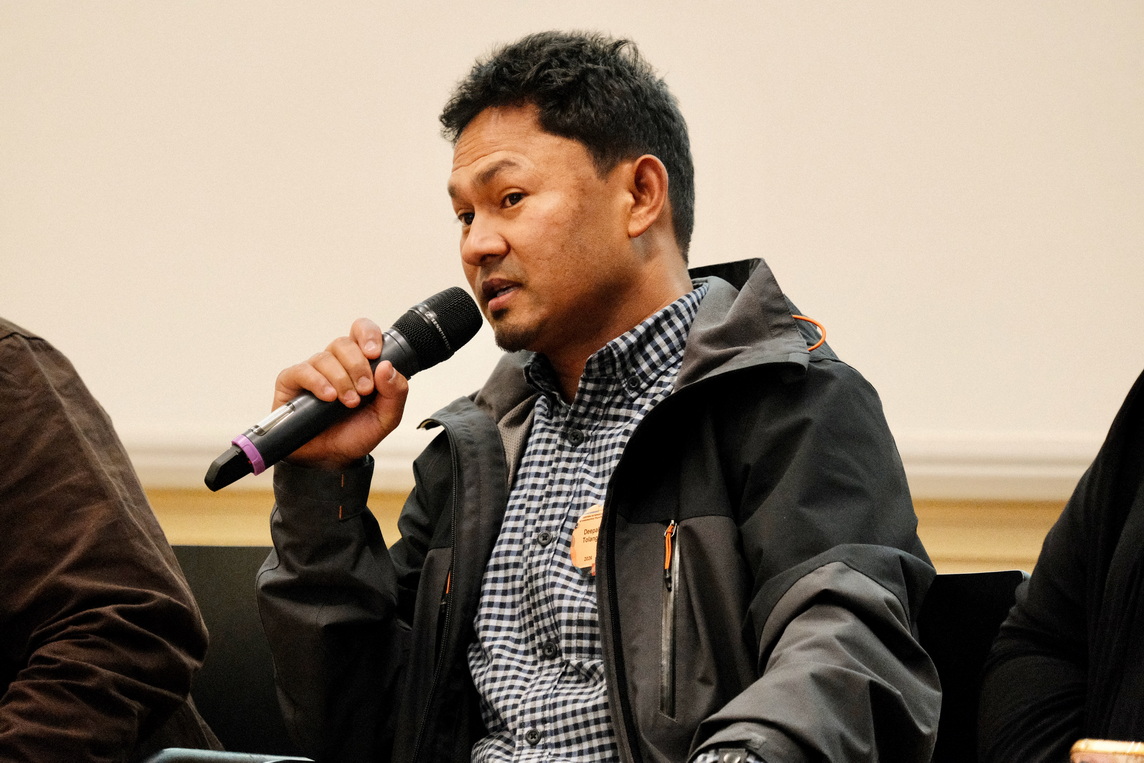
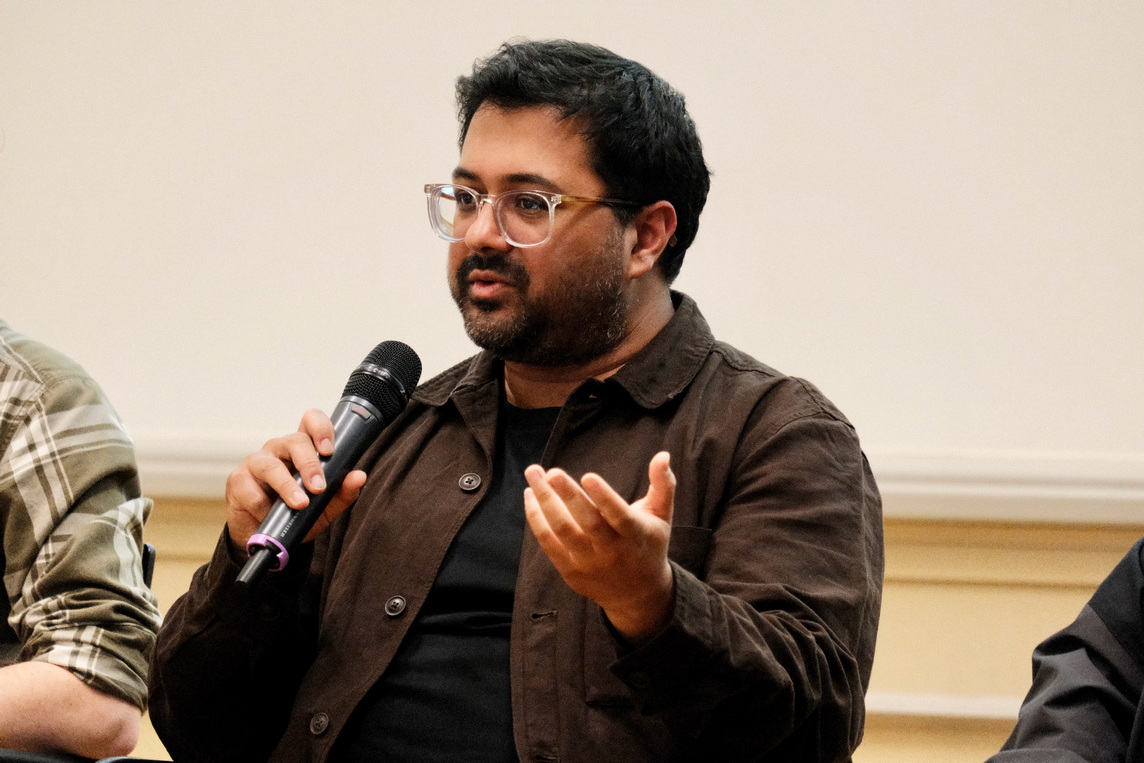
A dedicated workshop on “Decolonial Approaches in Visual Anthropology: Repatriation and Cultural Heritage in Documentary Film” was organised jointly by the Ethnologisches Museum Berlin, the Institute of Cultural Anthropology/European Ethnology at the University of Göttingen, and GIEFF e.V.
The workshop brought together an international group of filmmakers, artists, researchers and curators, including:
- Tarisi Vunidilo
- Amelie Ward
- Jean-Michel Kibushi Ndjate Wooto
- Deepak Tolange
- Amitabh Joshi
- Emil Victor Hvidtfeldt
- Paul Basu
The workshop focused on the relationship between visual representation, museums, cultural heritage and decolonial practice. It created a space to exchange experiences and explore new approaches to collaboration, representation and the restitution and repatriation of cultural heritage.
-
Tarisi Vunidilo -
Amelie Ward -

Jean-Michel Kibushi Ndjate Wooto -
Deepak Tolange -
Amitabh Joshi -
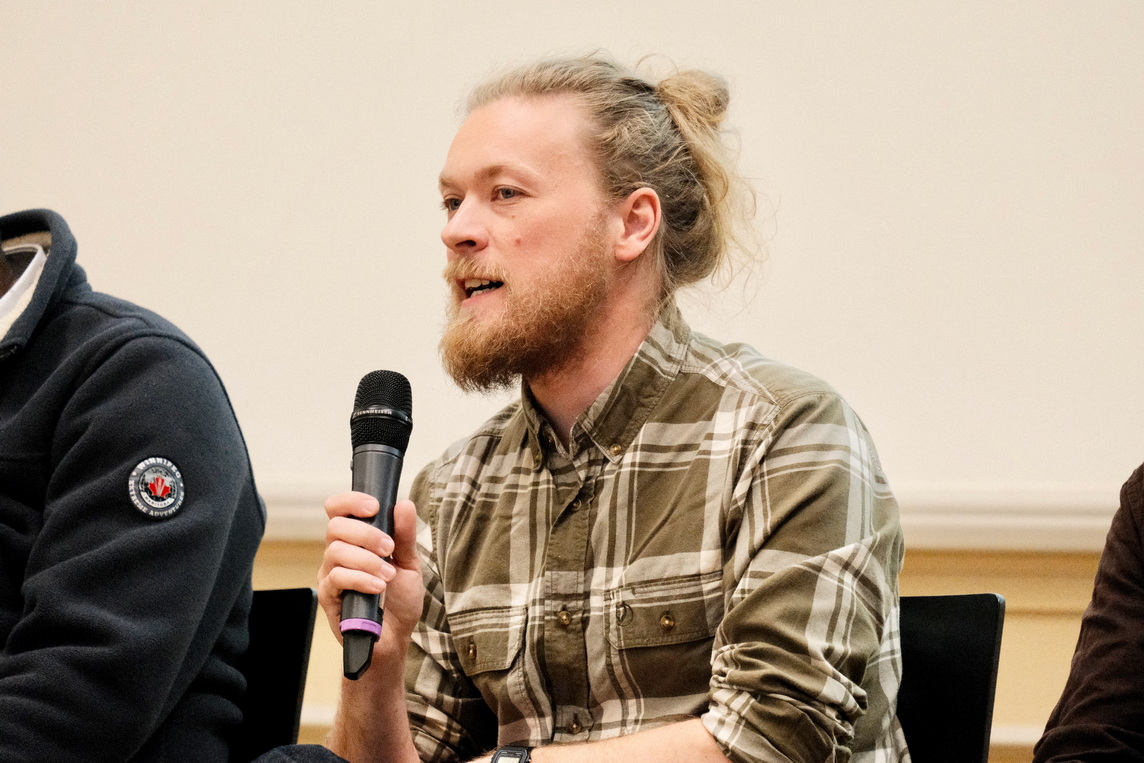
Emil Victor Hvidtfeldt -
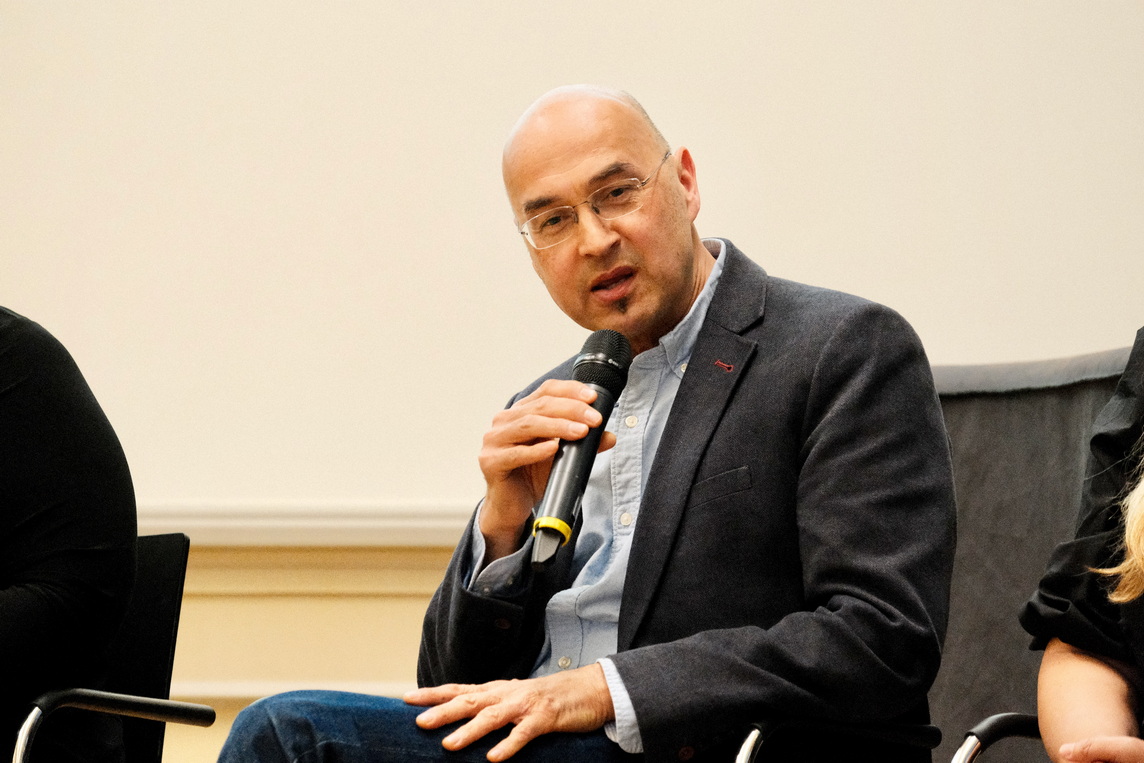
Paul Basu
Travelling GIEFF
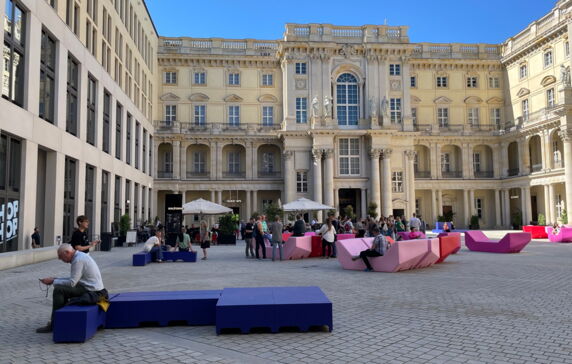
Following the festival in Göttingen, a selection of films will continue their journey as part of Travelling GIEFF. The travelling programme brings selected festival films to museums, universities, cultural institutions and other venues in Germany and beyond, extending the festival's reach and enabling audiences in other locations to engage with the films and the discussions they inspire.
Travelling GIEFF at the Humboldt Forum Berlin
If you are interested to organise a Travelling GIEFF please let us know: event@gieff.de